



“Who Am I?” (Asking for a Friend)
You are not “finding yourself” in recovery. You are creating yourself—through meaning, interaction, and repeated choices

Finding Purpose in Recovery: Building a Meaningful Life After Substance Use Disorder
Recovery is about more than stopping substance use. It is about creating a life that feels meaningful, stable, and worth showing up for. Over time, purpose begins to take shape through growth, connection, and small steps forward.
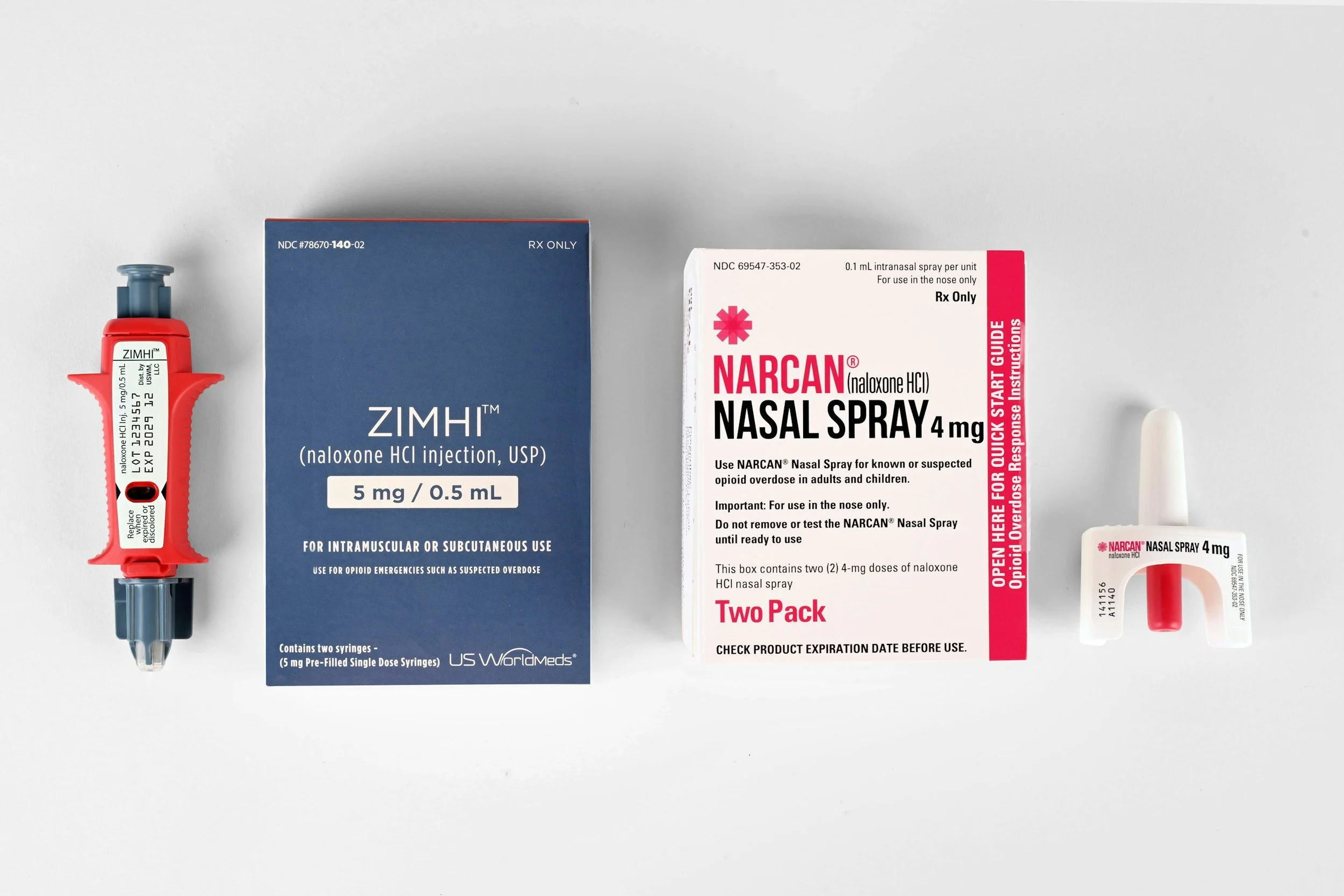
What Is Narcan (Naloxone)? How to Use It During an Opioid Overdose
Narcan (naloxone) can reverse an opioid overdose and restore breathing within minutes. Learn how to recognize overdose signs and how to use Narcan nasal spray to save a life.
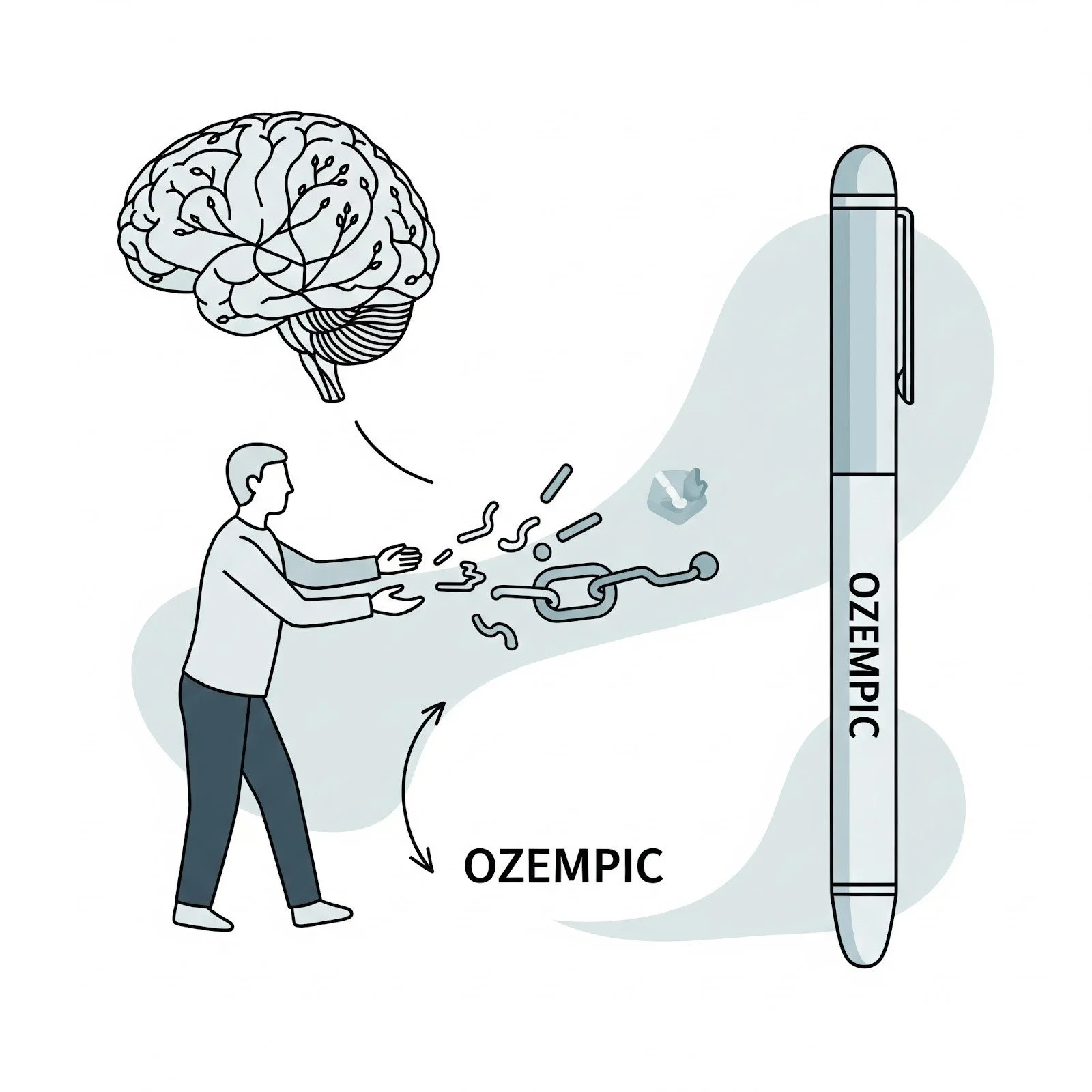
Can GLP-1 Medications Help Treat Addiction?
Sobriety House is always paying attention to where the field of addiction treatment is headed—especially when something as unexpected as Ozempic or Wegovy starts showing promise in reducing drug and alcohol cravings. Originally developed for diabetes and obesity, these GLP-1 medications may also help regulate psychological cravings by acting on the brain’s reward system.

How Do You Like Your Eggs?
“You don’t discover your Self through someone else’s mirror. You uncover it by learning to make your own choices—even small ones. Like how you like your eggs. In recovery, that kind of curiosity is more powerful than perfection.”

Why Words Matter: Pregnancy & Addiction
Words have power. For pregnant women in recovery, the wrong ones can do real harm. At Sobriety House, we believe in speaking with compassion, not shame—because language can be the first step toward healing.

DBT 101: White-Knuckling Through Emotions Isn’t a Life Skill
“Addiction is often more about how we’re feeling than what we’re using. DBT doesn’t just tell you to stop using—it teaches you how to live without needing to.”

From Road Rage to Radical Acceptance: Scarcity Mindset
“In addiction, tunnel vision often sounds like: ‘I just need to get through today.’ ‘If I don’t use, I can’t cope.’ ‘There’s no other option.’ It reduces your world to an either/or binary: comfort vs. pain, high vs. crash, connection vs. rejection. There’s no third way. No curiosity. Just survival mode.”

How Ambivalence Fuels Addiction — And How Equanimity Can Heal
“Recovery isn’t about being 'positive' all the time. It’s about becoming solid enough inside yourself that you don’t have to run screaming every time an emotional thunderstorm rolls in.”

“Am I Too Much?” — Barbie, People-Pleasing, and the Psychology of Shrinking Ourselves
People-pleasing is not kindness. It’s a coping mechanism. Let’s call it what it is: emotional shape-shifting. You become a contortionist for connection, constantly performing a version of yourself that’s palatable. Over time, you forget who you actually are under all the masking.

Clingy, Cold, or Chaos Goblin? A Curious Look at Attachment Styles and Learning to Feel Safe Again
If your nervous system feels like a tiny squirrel on an espresso binge every time someone gets too close—or too far away—you’re not broken. You’re adaptive. Attachment styles are just survival strategies you picked up along the way. The good news? You can update them—with curiosity, compassion, and maybe a snack.

🎶 Sobriety, Music, and the Joy of Sober Entertainment
What does fun look like without substances? A lot like this. Discover how sober-friendly concerts like Elephant Revival at Mission Ballroom are creating joyful, inclusive spaces for recovery.

Food Connects Us: Nourishment and Healing in Recovery
Recovery is about more than just abstaining from substances—it’s about rebuilding a healthy, fulfilling life. And good nutrition is a powerful tool in that process. By nourishing the body, we fuel the mind, restore strength, and create stability for the journey ahead. Because healing happens from the inside out—one meal, one choice, one day at a time.



Supporting Someone in Recovery
Supporting someone through their recovery journey requires compassion, patience, and understanding. While offering emotional support is key, it’s also essential to set healthy boundaries and take care of your own well-being. From active listening to celebrating milestones, here are 15 ways you can empower your loved one while navigating the complexities of their recovery together.

The Benefits of Emotional Flexibility in Pain and Grief
"In moments of pain and grief, it's not the hardship itself but how we respond to it that shapes our resilience. By embracing emotional flexibility—adapting our feelings to meet the moment—we can recover faster and build lasting strength. This approach invites self-kindness and curiosity, offering a path to personal growth and healing in the face of adversity."



National Recovery Month
"Addiction can happen to anyone, regardless of background or circumstance. National Recovery Month reminds us that recovery is possible for everyone."